
The Main Yarn Types
Most dog sweaters use one of four yarn groups. These are acrylic, cotton, wool and blends of two or more fibers. Each one feels, washes and wears in a different way.
The yarn affects the price, the warmth and the care label. Choose it based on where your customers live and how they wash pet clothing.
Acrylic Yarn Basics
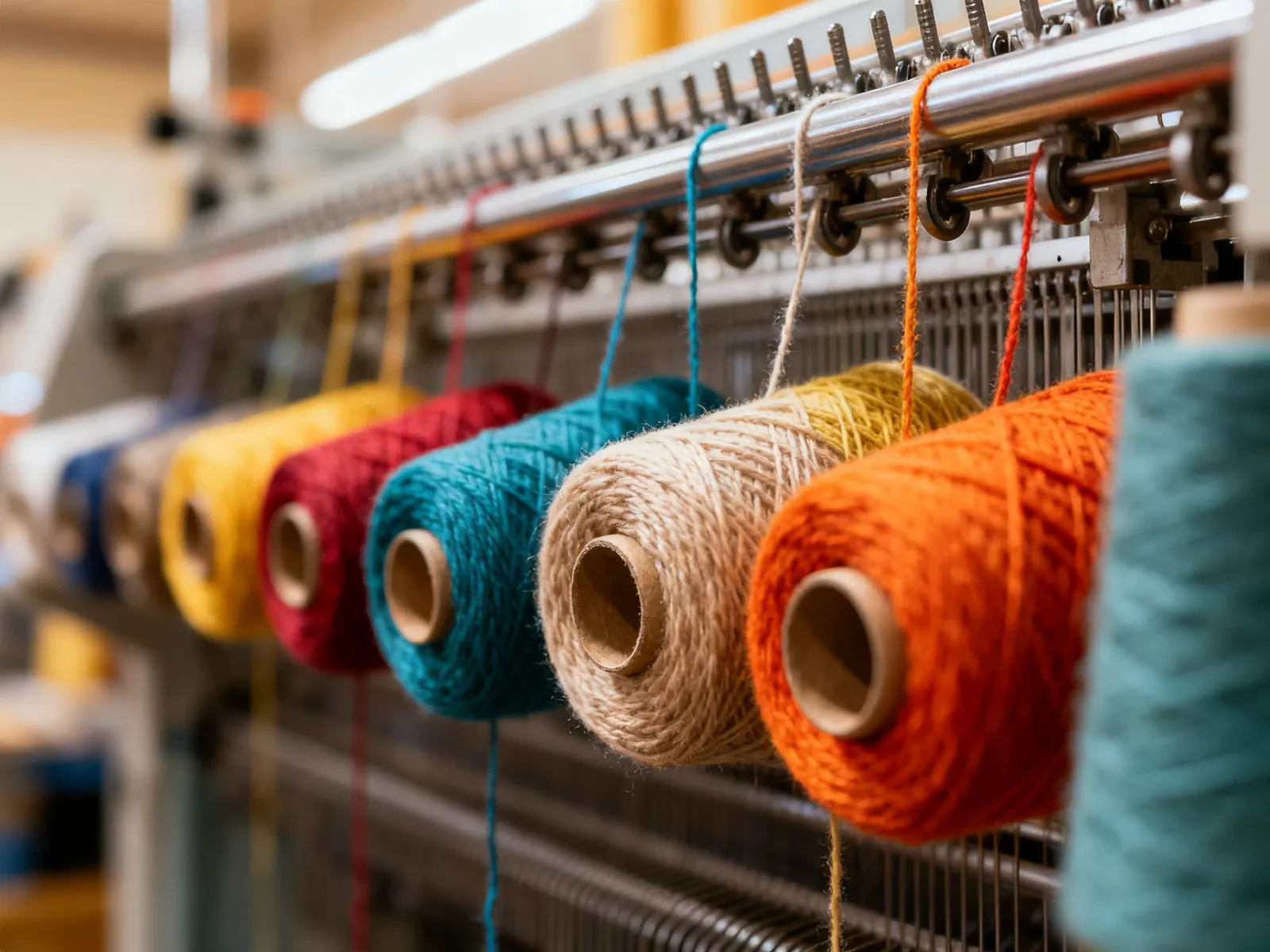
Acrylic is the most common yarn for dog sweaters. It is soft, light and holds bright colors well. It also dries fast and keeps its shape after machine washing.
 AI illustration
Acrylic costs less than wool and most cotton yarns. It can pill with heavy wear, so a tighter knit and a good yarn grade help. For the exact fiber content of any style in our in-stock range, ask in your quote request.
Cotton Yarn Basics
Cotton breathes well and feels natural against the skin. It suits mild climates and dogs that overheat. Owners who want natural fibers often ask for it.
Cotton is heavier when wet and dries slowly. It can shrink if washed hot, so the care label needs clear instructions. Read acrylic vs cotton dog sweaters for a direct comparison.
Wool and Wool Blends
Wool is the warmest of the four groups. It keeps some warmth when damp and resists odor. It suits cold climates and premium ranges.
 AI illustration
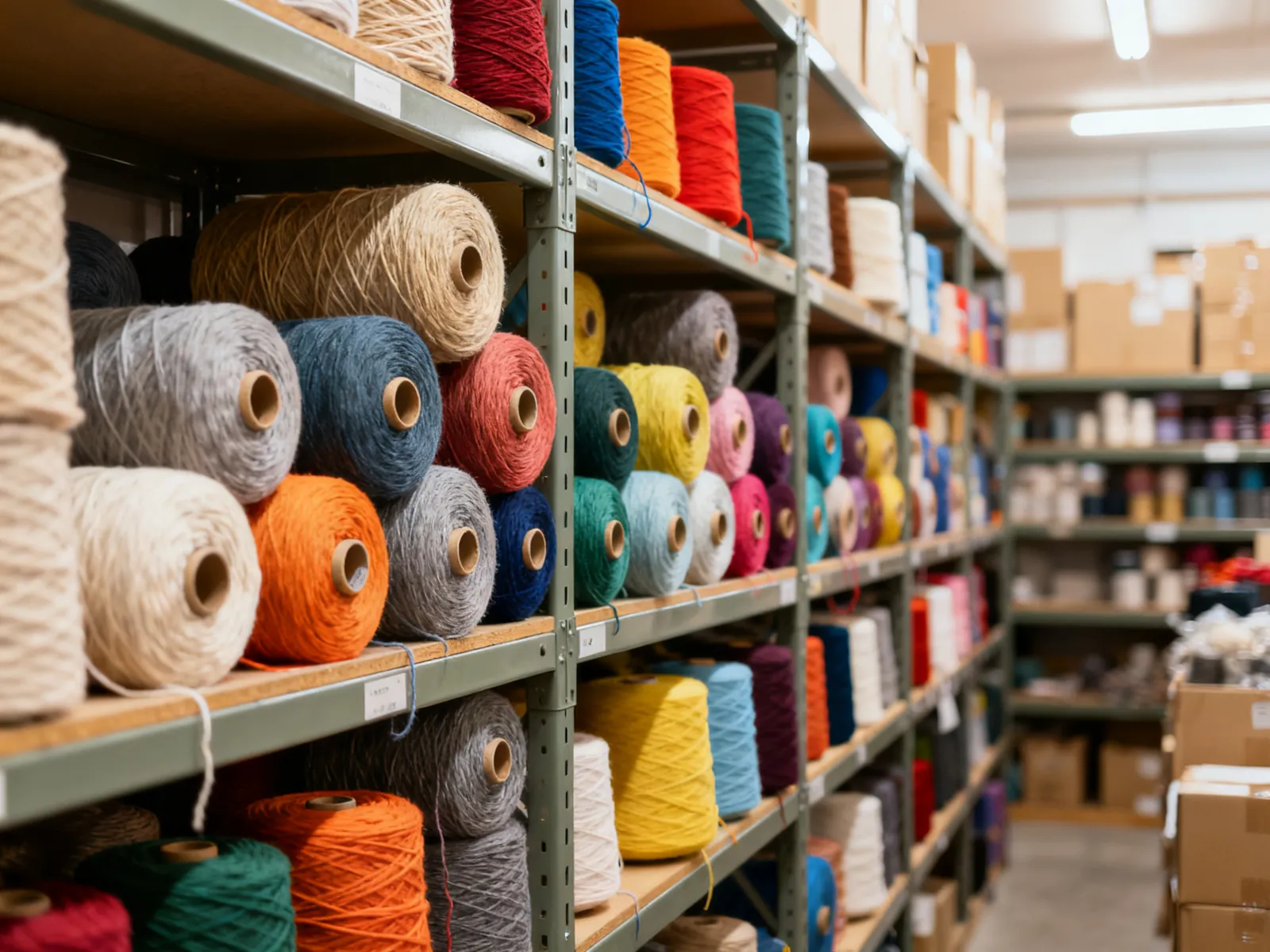
Pure wool needs gentle washing and can felt in a hot machine. Many brands choose a wool and acrylic blend instead. The blend keeps some warmth and is easier to wash.
Novelty and Soft-Touch Yarns
Fuzzy, chenille and brushed yarns give a soft look and feel. They are popular for gift and holiday styles. Several of our stock styles use these yarns.
These yarns shed more and can be harder to measure. Ask for a sample before ordering in quantity.
Yarn Comparison Table
Acrylic suits most wholesale ranges, cotton suits mild climates, and wool suits premium cold-weather lines.
| Yarn | Warmth | Washing | Color | Typical use |
|---|---|---|---|---|
| Acrylic | Good | Easy, dries fast | Bright, stable | Everyday and holiday styles |
| Cotton | Light | Can shrink if hot | Softer tones | Mild weather, natural ranges |
| Wool | High | Gentle wash only | Rich, deep | Cold climates, premium ranges |
| Wool blend | Medium to high | Easier than wool | Rich | Premium styles that need easy care |
| Novelty yarns | Medium | Gentle wash | Varies | Gift and seasonal styles |
What to Ask a Supplier
Ask for the exact fiber content of each style in percentages. You need it for the care label and for most marketplaces. Ask how the yarn behaves after washing, and check a washed sample yourself.
For custom orders, name the yarn group and the feel you want. Send a physical swatch if you have one. We match the yarn and confirm it in the quote for your custom order.
Care instructions on the label must suit the yarn. The FTC guide complying with the Care Labeling Rule explains what US labels need.
Questions on This Guide
Which yarn is most common for dog sweaters?
Acrylic is the most common. It is soft, holds color well and washes easily.
Do you make wool dog sweaters?
Wool and wool blends are available on custom orders. Tell us the blend and care needs you want.
How do I know the fiber content of a stock style?
The style card lists the material where known. For other styles, we confirm the fiber content when we quote.

Martin writes the Pawknit buyer guides. They cover ordering, sizing, materials and quality checks for dog sweaters.


