Choosing Between Stock and Custom
Pawknit has two modes: In-Stock Wholesale and Custom / OEM. Choose by what is already defined, what must change and which decisions your team is ready to approve. Private label sits inside Custom / OEM as the branding scope for an established product direction.
Treat the path as a scope decision. It shapes the brief, sample questions, approval burden and evidence needed for a reliable quote.
Stock and Custom Explained
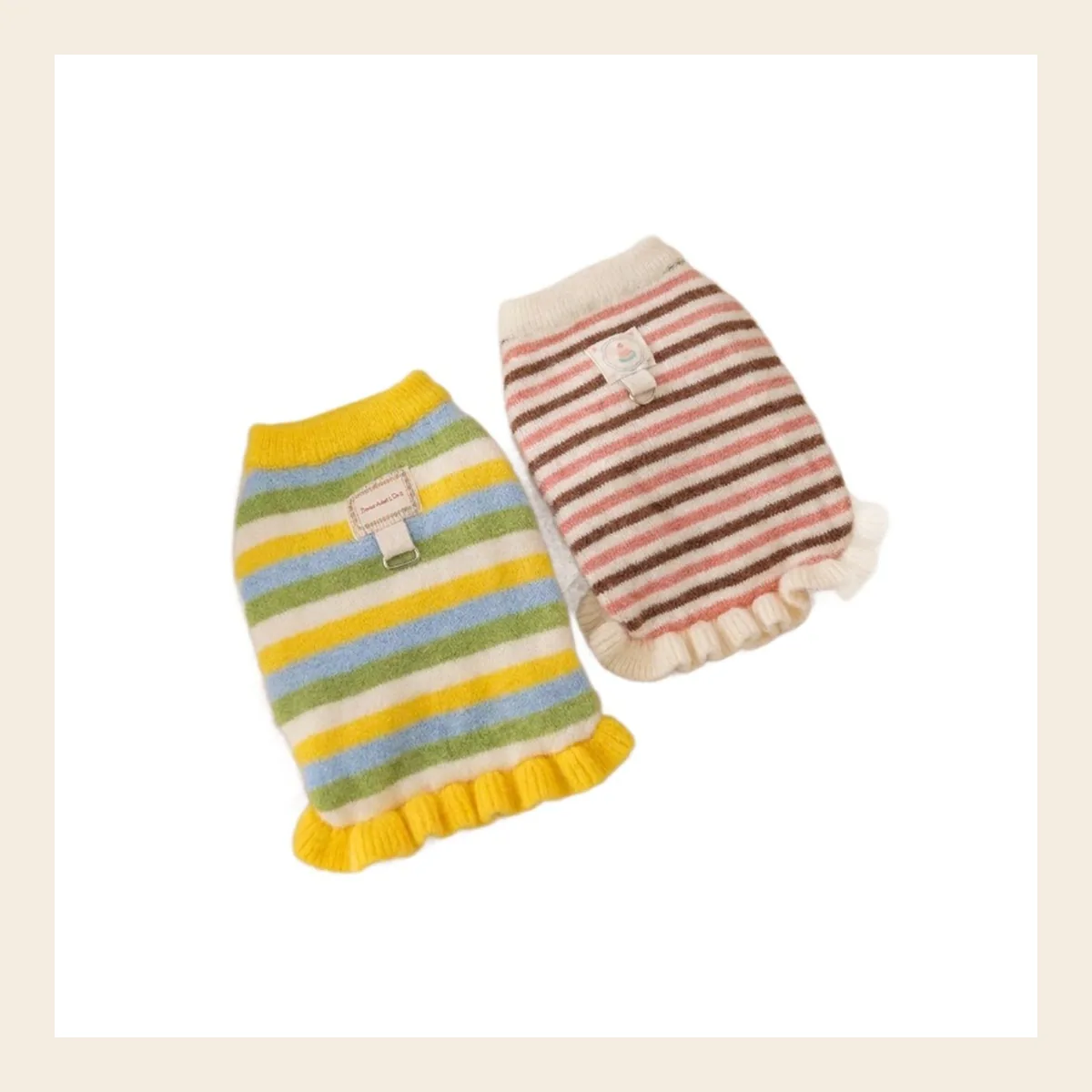
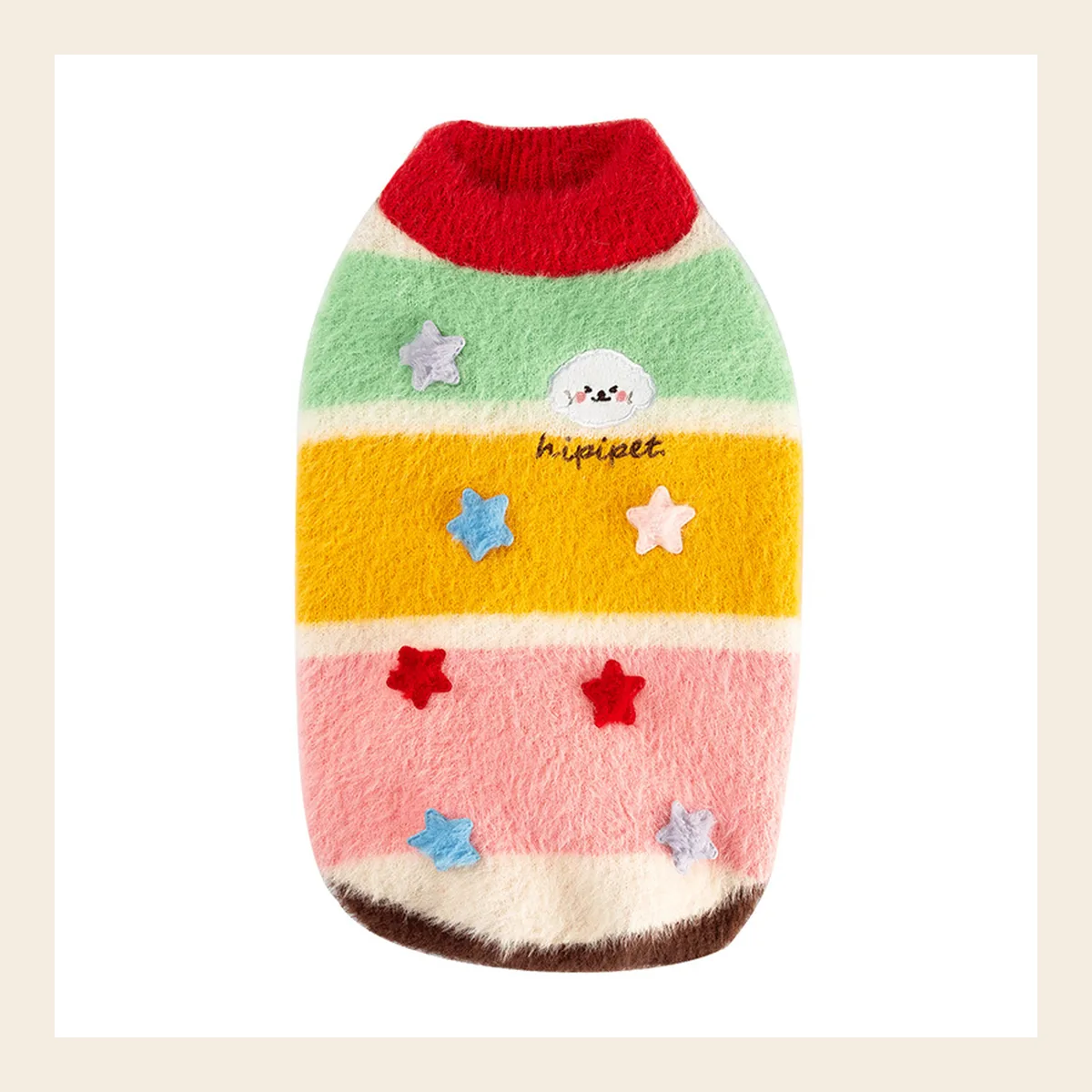
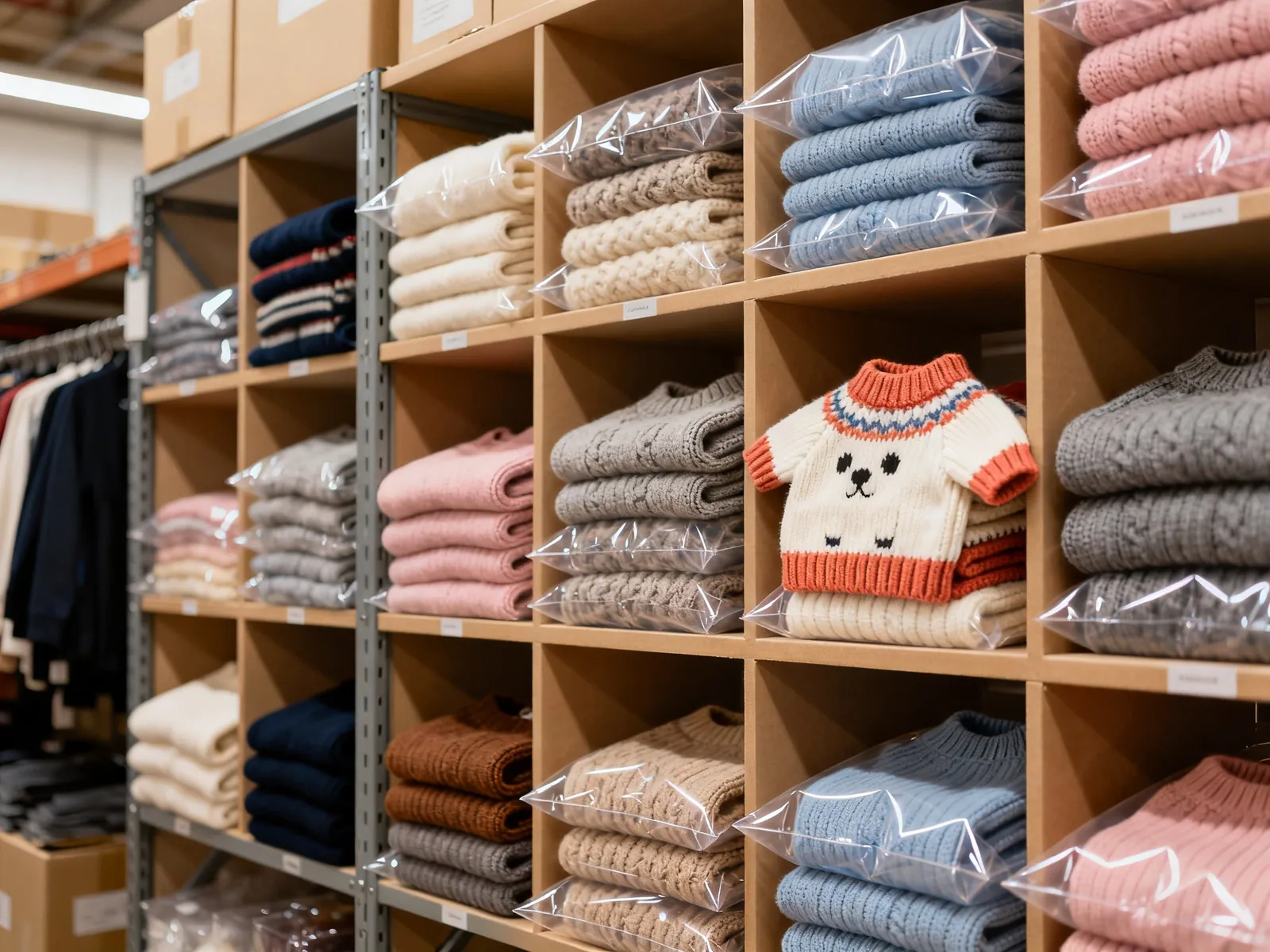
In-Stock Wholesale starts from the displayed ready-stock range. The buyer selects styles, colors, sizes and a quantity range, then asks for current availability and quote conditions. It suits assortment building when the product does not need material redesign.
 AI illustration
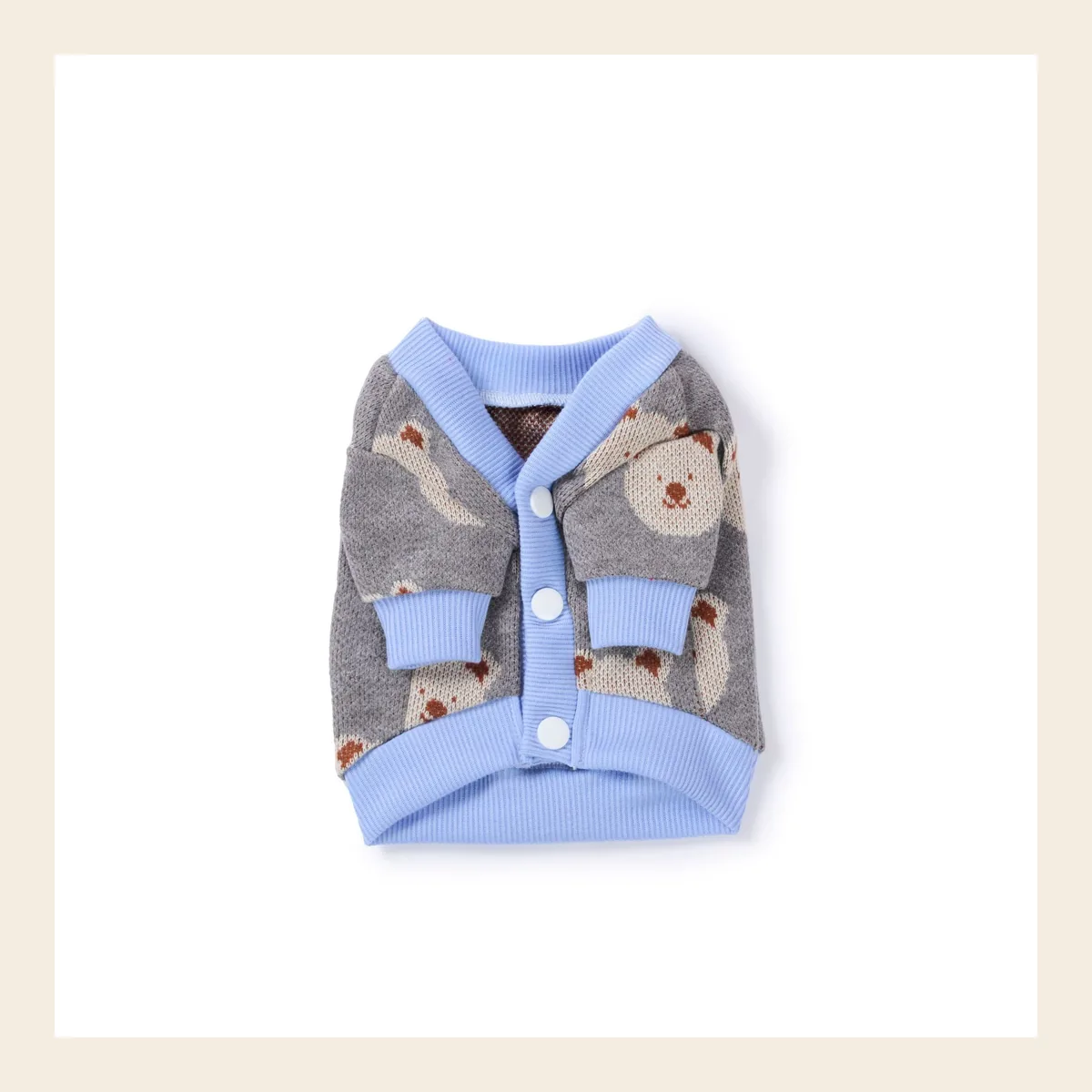
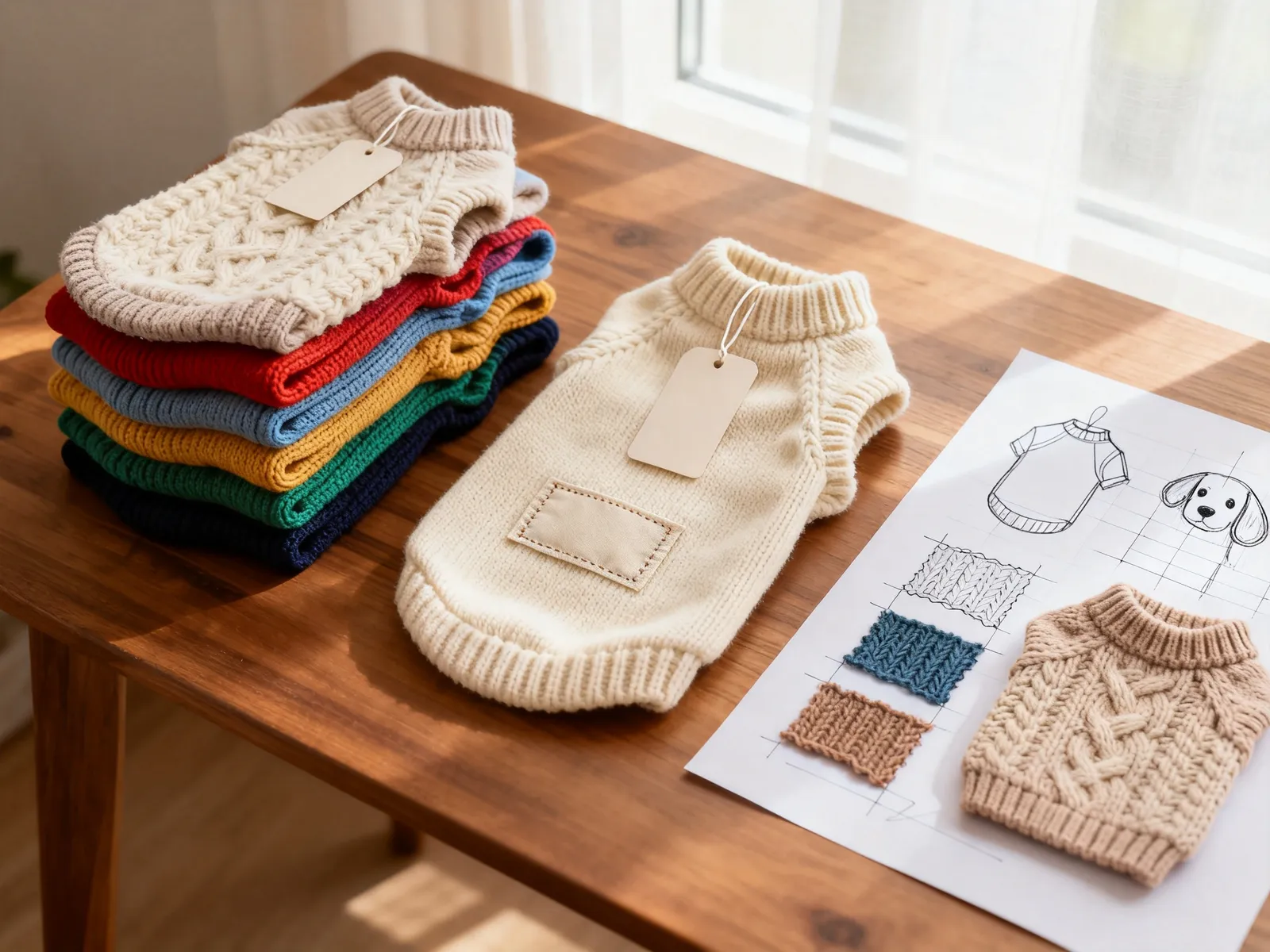
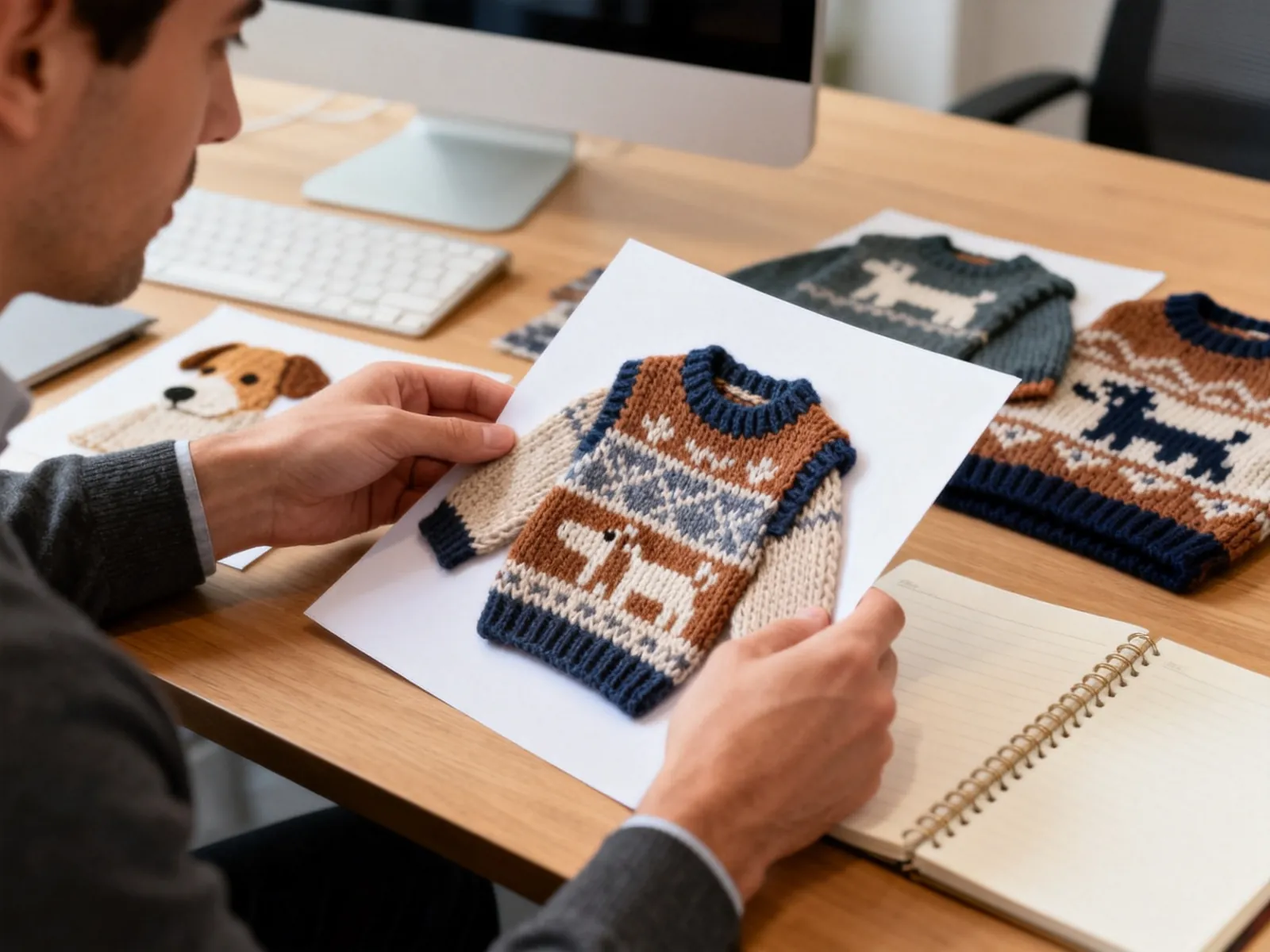
Custom / OEM starts from development inputs: brief, reference or tech pack, dimensions, fit goal, material direction, construction, color, branding and sample-review criteria. When the product base is already established, its private-label scope can focus on woven labels, hangtags, barcodes and packaging. When fit or construction must change, the same mode expands into product development.
Work Involved in Each Option
For product control, In-Stock Wholesale offers the least change. Custom / OEM adds brand-system control through private label and can extend to full product-development control. Greater control also requires clearer files, more decisions and stronger change management.
For sizing, In-Stock Wholesale begins with listed data that still needs verification. A private-label project generally inherits or adapts the chosen base unless a different scope is agreed. Full custom development can address the fit block and grading when measurements and approval criteria are supplied.
For sampling, ready stock may still need a physical sample or availability check. Private-label work may need an application sample for labels or packaging. Full development normally requires review tied to the brief. At Pawknit, custom samples take 7–10 days; sample cost is confirmed on quote.
For brand presentation, ready stock may require buyer-created merchandising assets; sample-photo rights are not automatic. Custom / OEM can center on brand application or integrate branding with product development, but it still needs approved artwork and market-specific label responsibility.
For planning at Pawknit: In-Stock Wholesale starts at 2 pcs per style and 50 pcs per order and ships in 4–7 days; private label on an existing style starts at 100 pcs per style and ships in 12–18 days after artwork approval; Custom / OEM starts at 100 pcs per style and color, with 25–35 days of bulk production after sample approval. The selected product, yarn, color, size ratio, customization and packing all affect the result.
Questions to Ask First
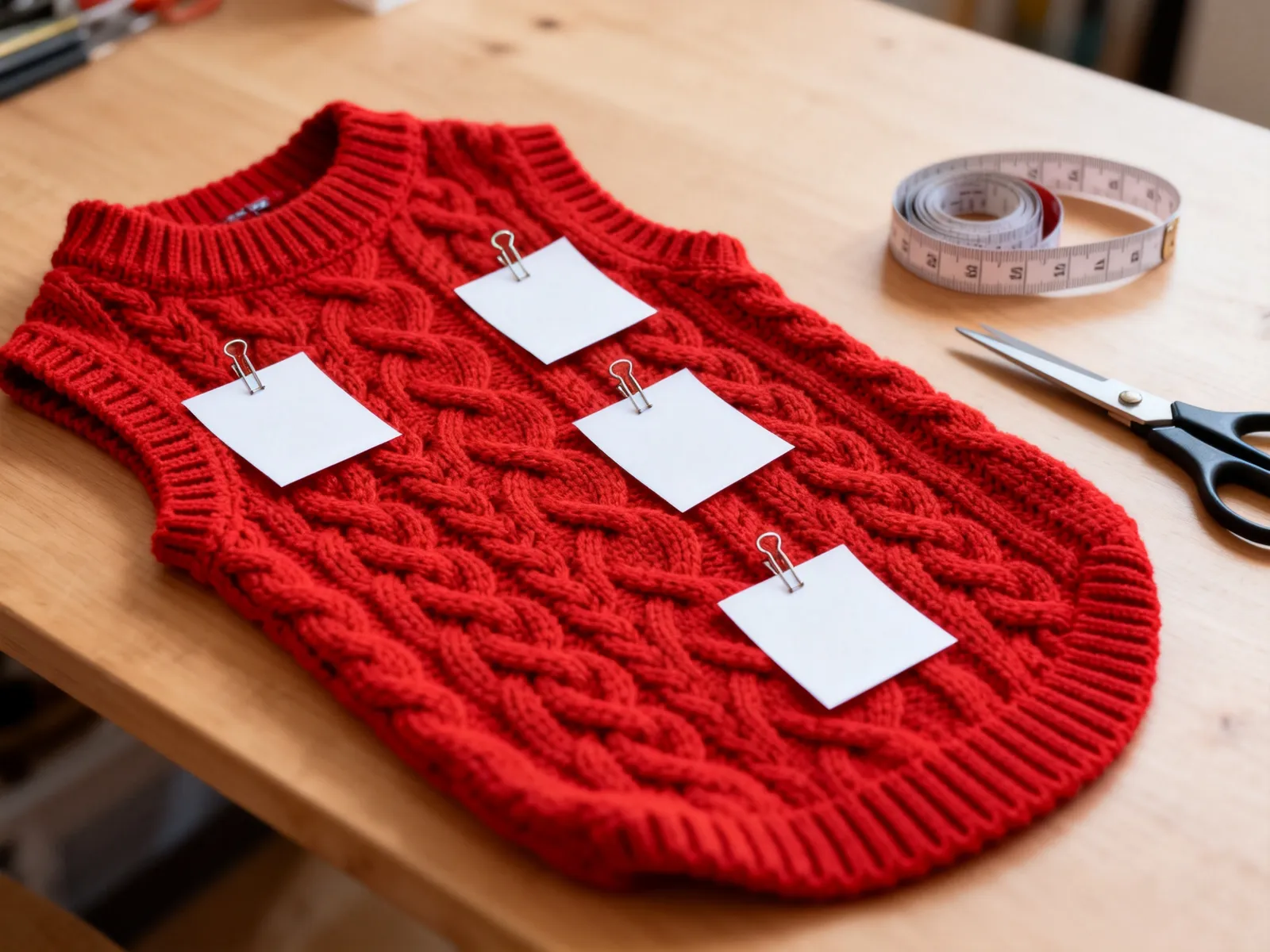
Ask whether the product exists in an acceptable form. If yes, determine whether you need only assortment sourcing or also brand application. If no, identify which aspects require development: fit, construction, material, pattern, color system or function.
 AI illustration
List non-negotiable requirements and preferences. A specific body fit, opening position or packaging rule may determine the path; a preferred motif might remain flexible. Email tech packs, artwork or reference photos to [email protected].
Define the target market, selling channel, quantity range, size range and target date. State document and inspection needs. Clarify who approves product fit, artwork and final presentation.
When a collection contains mixed readiness, split the range between the two modes. Test some styles through In-Stock Wholesale, then use Custom / OEM for brand application or products whose differentiation justifies development. Keep IDs and quote lines separate so one mode’s assumptions do not contaminate another.
Finally, request a line-by-line quote that shows the product reference, quantity basis, size mix, branding, packing and open questions.
Scoring the Options
Score the project against product readiness, fit change, material change, construction change, branding depth, packaging depth and evidence needs. A project with an acceptable product base and only a woven-label request points toward the private-label scope within Custom / OEM. A project that requires a new body proportion points toward full development. A buyer who only needs a ready-stock range may be adding risk by requesting unnecessary development.
Write the reason for the selected path in one sentence. If the reason cannot be stated clearly, the scope is probably still mixed. Revisit which details are required for the customer promise and which are preferences that can follow later.
Consider a staged plan. In-Stock Wholesale can test product-type demand. A stable base can move into private-label work within Custom / OEM after the brand system is ready. A differentiated item can enter full development when the buyer has measurements and approval capacity. Keep these workstreams separate in the RFQ and quote so their assumptions remain visible.
Cost and Time
Do not compare only the quoted unit line. Review sampling or approval work, artwork and packaging setup, inspection needs, freight responsibilities, documentation, photography and internal labor. The right comparison is the total scope needed to make the product sellable in the target channel.
Likewise, do not compare one public lead-time claim with another. Map the stages that apply to each mode and ask which are included in the project schedule. In-Stock Wholesale still needs availability and shipping confirmation. Custom / OEM needs branding files, development inputs or sample decisions according to scope. Pawknit’s stage timings are 4–7 days for in-stock dispatch, 12–18 days for private label and 7–10 days of sampling plus 25–35 days of bulk production for Custom / OEM.
Ask how changes are handled. A stock substitution, label revision and pattern revision have different consequences. Define who may approve a change, how the new version is identified and whether the quote must be updated. Change control protects both the commercial plan and the product record.
Quality Checks
For In-Stock Wholesale, prioritize current availability, listed specifications, measurement data, sample review and image rights. For Custom / OEM, add artwork version, placement, legibility and packaging responsibility when private label applies; add the approved development reference, measurements, material and color evidence, construction details and revision history for full development.
For every path, request the documents relevant to the factory, product and market. Check the issuer, holder, date and scope against the selected sweater and yarn.
Request photo or video updates during sampling and production when they are useful to your approval process.
Record the Decision
Keep a short decision record containing the chosen path, alternatives considered, confirmed inputs, open items, owner for each approval and the trigger for revisiting the choice. If a product requirement changes, check whether the path still fits rather than forcing the new scope into the old quote.
Before commitment, review the product, sizes, quantity basis, brand application, packaging, target market, date, checks and logistics together. The path should align these elements in one workable scope.
After the first buy or development cycle, compare the original reason for the path with the result. If customers needed more fit differentiation, future work may move toward OEM. If brand application created enough distinction, additional development may not be justified. Use real project evidence to decide the next step.
Related Pages to Read
Use In-Stock Wholesale for the ready-stock catalog and style shortlist. Use Custom / OEM Pet Sweaters for a brief, reference or tech pack that requires product development, or go directly to Private Label & Custom Branding for label, hangtag and packaging requirements around an established product direction.
If the choice remains unclear, review the sourcing FAQ and send the current inputs with “Not sure yet.” The route can be decided after the brief is understood.
Send Your Project Details
Through the contact form, explain what already exists, what must change, what brand control is required, and which decisions remain open. Include product references, quantity and size ranges, market, packaging and target date. Commercial terms are confirmed on quote.
Whichever option you choose, the goods need correct fiber and care labels for your market. The FTC clothing and textiles guidance covers the US rules.
Questions on This Guide
What is the difference between stock and custom?
Stock styles are already made and ship fast in small quantities. Custom styles are made to your design after a sample is approved.
Where does private label fit?
Private label adds your labels and packaging to an existing style. It starts at 100 pcs per style.
Can I start with stock and move to custom later?
Yes. Many buyers test styles from stock first and then develop their own versions.
 AI illustration
Martin writes the Pawknit buyer guides. They cover ordering, sizing, materials and quality checks for dog sweaters.