Plan from the Selling Date
Start with the date your Christmas range must be ready for merchandising, then plan backward. Your calendar needs room for style selection, size review, branding, sample approval, production, pre-shipment QC, freight and receiving.
Seasonal orders lose time when style changes, size ratios or packaging files stay open. Give every decision a date and owner, then ask the quote to confirm the milestones that depend on the factory or shipping route.
When to Start
Begin while you still have time to compare styles, confirm measurements and choose the right mode. For In-Stock Wholesale, check availability, size mix, image rights, packing and destination timing. For Custom / OEM, add the branding files, development inputs and sample rounds required by the project scope.
 AI illustration
Set the retail or wholesale selling window first. Then identify the latest acceptable arrival date, internal receiving and photography needs, logistics allowance, final-check stage, production or availability confirmation, and any sample or artwork approval. Ask the quote to confirm project-specific timing for those stages.
Build the retail work around the shipping plan. Allow for inbound checks, relabeling, allocation to stores or warehouses, merchandising photography and marketplace setup before the selling window opens.
Christmas Order Milestones
Selection covers motif, product type, color direction and target price architecture. Availability covers the selected style, color, size range and quantity. Sizing covers source charts, intended fit, size ratio and sample review. Branding covers label, hangtag, barcode and packaging files. Review covers approved sample or reference, workmanship questions and required evidence. Logistics covers packing data, shipping terms, destination and responsibility handoffs.
Give every milestone an owner and a required input. The buyer owns timely assortment choices, market requirements and approvals. The sourcing partner coordinates questions and quote inputs. The selected supplier provides project-specific feasibility and production information. Logistics parties confirm their own service scope.
Build a contingency decision: what will be simplified if a motif, color, branding method or delivery route is not feasible? Pre-approving fallback principles is safer than improvising after the selling window is threatened.
Seasonal Quote Request
List the target selling window, destination and the date stock needs to be ready for merchandising. Name the mode and whether the project uses ready-stock styles or Custom / OEM with private-label application or product development.
 AI illustration
Provide style IDs or references, preferred and fallback motifs, color direction, quantity range and size mix. Christmas-tagged cards on the wholesale page show current styles. Stock is confirmed on quote. Ask for availability and measurement data for the actual shortlist.
State label, hangtag, barcode and packaging requirements. Supply usable files and identify who approves them. If retailer or marketplace packaging rules apply, include them early rather than after the quote.
List the sample or review evidence required: measurements, material details, color reference, workmanship views, packing presentation and any market-specific documents. Ask how each item can be verified for the selected product and supplier.
At Pawknit, in-stock styles start at 2 pcs per style and ship in 4–7 days; custom Christmas styles need 7–10 days of sampling and 25–35 days of bulk production after approval. Confirm price on quote. Record how long availability information remains valid and which changes require a revised quote.
Order Timeline
Start the planning sheet with the in-market selling window and work backward through receiving, internal checks, photography or listing setup, logistics, final review, production or availability confirmation, and sample or artwork approval. Use dependencies rather than assumed durations. For example, final packaging cannot be approved before required copy and barcode files are ready, and a size ratio should not be fixed before the chart is reviewed.
At each gate, record the decision owner, input due, expected record and consequence of delay. Use green only when the required file or approval is in hand. For a conditional item, name the missing input and the fallback decision date.
Keep ready-stock and custom-development milestones distinct. In-Stock Wholesale may reduce product-development work but still requires availability, size, media-right and logistics checks. Custom / OEM adds artwork and application approval for private label, plus development and sample decisions when the product itself changes. Mixing these sequences into one vague “production time” hides the real source of schedule risk.
Set three internal lock points: assortment lock, sample or artwork lock, and shipping-plan lock. At assortment lock, every style needs a role and fallback. At sample or artwork lock, measurements, label copy, barcodes and packing files should be approved by the named owner. At shipping-plan lock, confirm destination details, carton information, freight responsibility and the pre-shipment approval method. If a lock point slips, decide immediately whether to simplify the range, remove customization or move the affected style to a later drop.
Range Plan
Decide how much of the range is essential to the campaign. Identify core styles that carry the assortment and optional styles that can be removed without breaking the presentation. If a motif, color or size is unavailable, know whether the fallback is a different reference, a narrower range or a later drop. Ask for alternatives using the same product role, not simply the nearest visual match.
Plan product content separately from sourcing. Determine whether authorized sample media exists, whether an owned sample will be photographed, and when packaging or labels must be ready for images. Supplier sample-photo access does not automatically include public-use permission. The content calendar should not depend on rights that remain unconfirmed.
For wholesale accounts or marketplaces, collect the product fields needed before launch: product name, verified material statement, size method, care and label information, package dimensions if required, barcode data and approved images. Assign an owner for each field. Missing product information can delay selling even when inventory has arrived.
Confirm the Order Details
The quote or order record should identify style references, colors, sizes, quantity basis, branding, packaging, sample or approval status, destination context and responsibilities. Ask how long availability information remains valid and what happens if a selected style changes before confirmation. Keep a dated copy of the approved specification and artwork versions.
Agree the pre-dispatch records before production. These may include the written QC checklist, measurement records, product and packaging photos, video approval and carton information.
Confirm the handoff between commercial terms and logistics. Who provides packing data, who arranges freight, when responsibility changes, and which destination details are needed? These points belong in the seasonal plan because ambiguity at handoff can consume the remaining buffer.
After the Season
After the selling window, review sell-through by style and size, customer fit questions, damaged or incorrect items, content gaps and late decisions. Separate demand issues from execution issues. A style that sold slowly may have been the wrong assortment choice, poorly presented or stocked in the wrong ratio.
Feed the findings into the next seasonal brief. Keep the measurement methods, artwork files and decision templates that worked, then reconfirm availability and commercial conditions for the new buy.
Christmas Styles in Stock
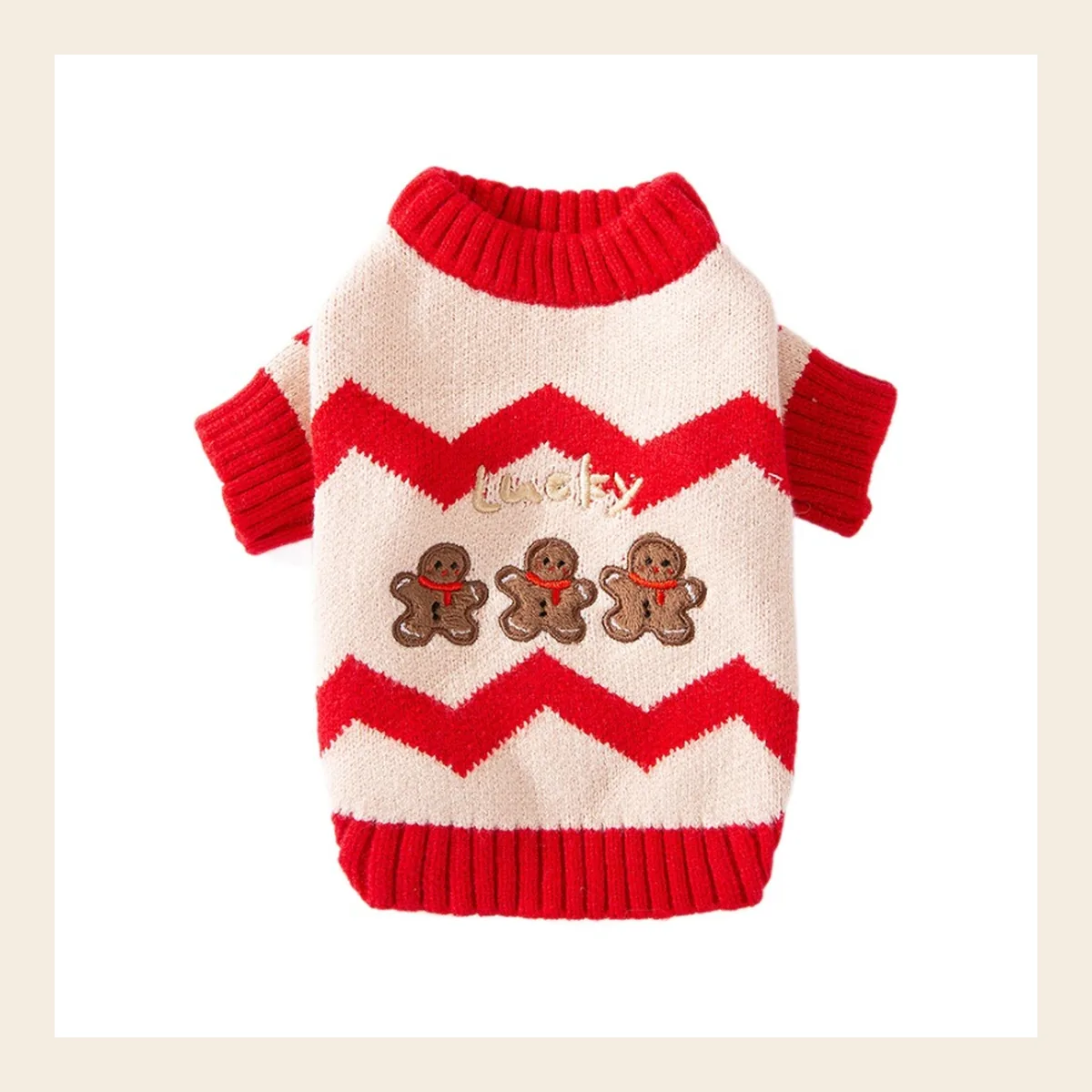
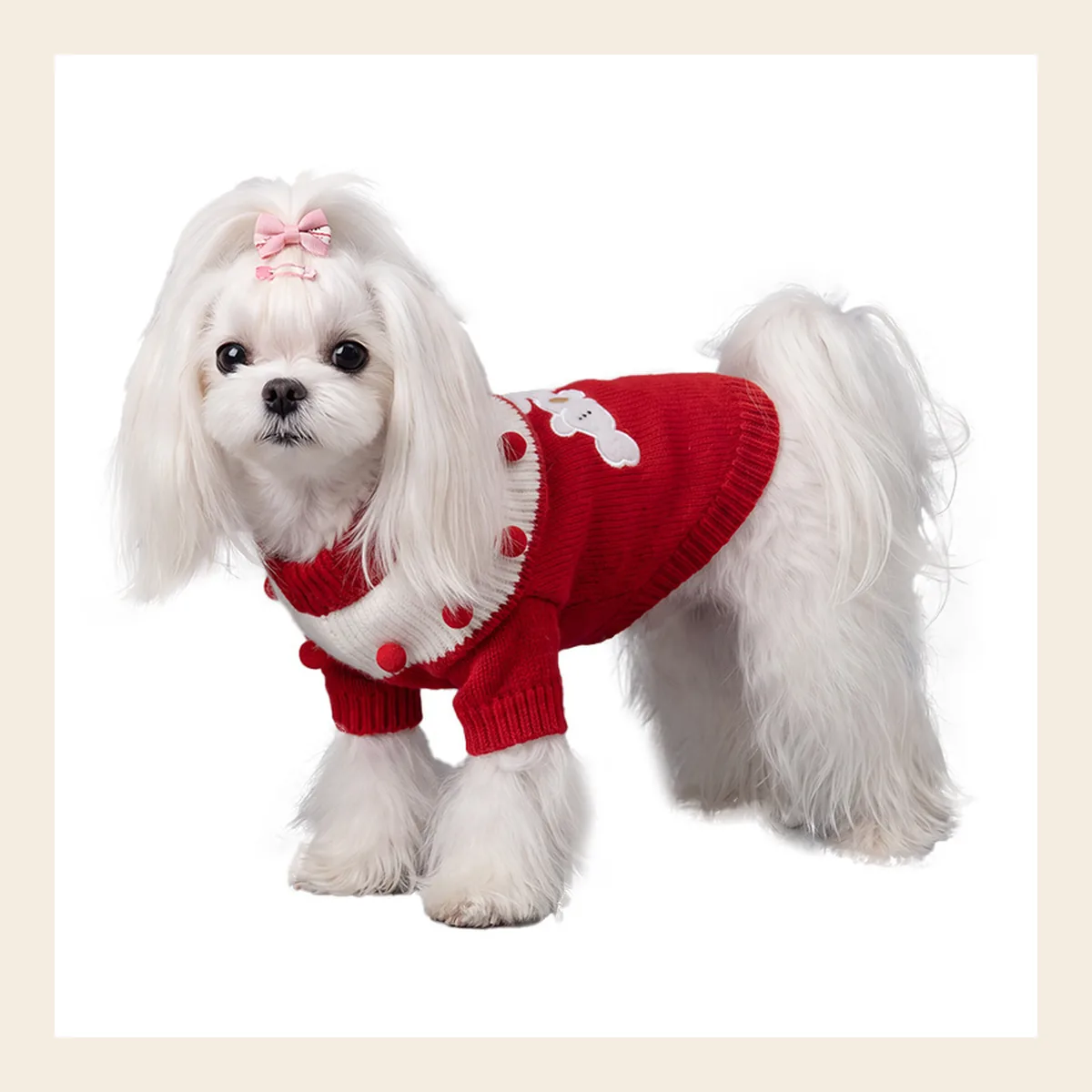
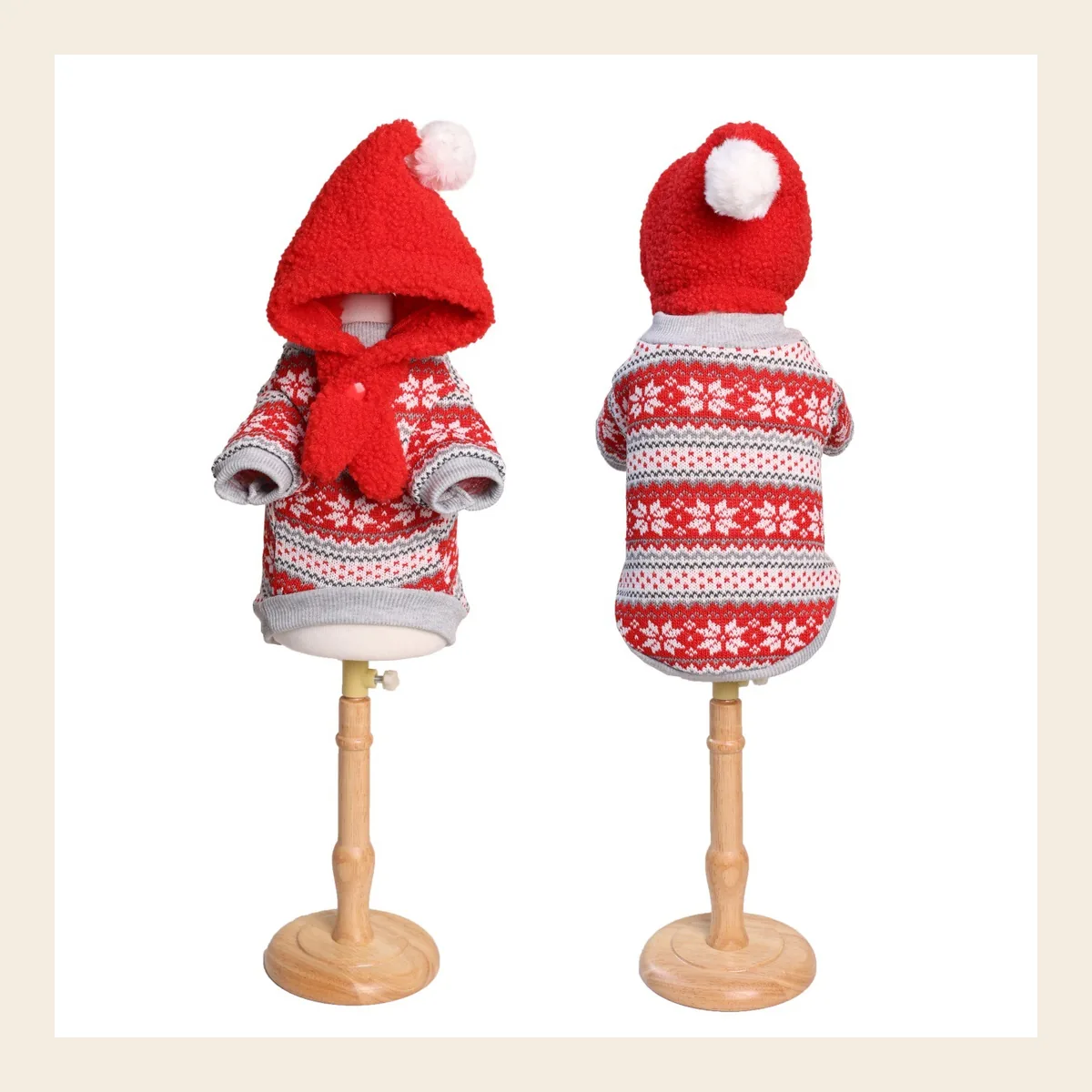
Browse Christmas styles within In-Stock Wholesale and record the relevant style IDs. If the required motif or construction needs development, compare In-Stock Wholesale and Custom / OEM before requesting a timeline.
Plan seasonal imagery alongside the order. Ask for approved media or schedule your own photography.
Request a Christmas Quote
Send the selling window, destination, style shortlist, size mix, quantity range, branding, packaging and approval needs through the contact form. Ask the response to identify confirmed milestones, dependencies and open questions rather than relying on a fixed public lead-time claim.
Small, short-coated and senior dogs need warm layers most. The American Kennel Club explains which dogs benefit in does your dog need a sweater.
Questions on This Guide
How fast do in-stock Christmas styles ship?
Goods within current stock ship in 4–7 days after payment. Quantities above stock ship in 10–15 days.
How long do custom Christmas sweaters take?
Sampling takes 7–10 days and bulk takes 25–35 days after sample approval. Add transit time on top.
Can I mix Christmas styles in one order?
Yes. In-stock orders start at 2 pcs per style and 50 pcs per order.
 AI illustration
Martin writes the Pawknit buyer guides. They cover ordering, sizing, materials and quality checks for dog sweaters.