Define Your Customer First
A dog clothing brand becomes easier to source when the idea is translated into buyer, product and fit decisions. Define who will buy, where the range will sell, what job the first assortment does and how much product control you need. A one-page brief is more useful than a large mood board with no target customer or size plan.
You do not need every detail on day one. First remove the contradictions: a broad assortment with no size plan, seasonal products without a selling window, or custom development without measurements. Give the sourcing partner a short set of decisions that can be priced and sampled.
Steps to Start
Begin with positioning: customer, channel, price architecture and reason to exist. Then choose a narrow first product group and define the target pet profiles. Establish how fit will be measured, decide whether In-Stock Wholesale or Custom / OEM matches product readiness, and prepare the brand and packaging inputs needed for that mode.
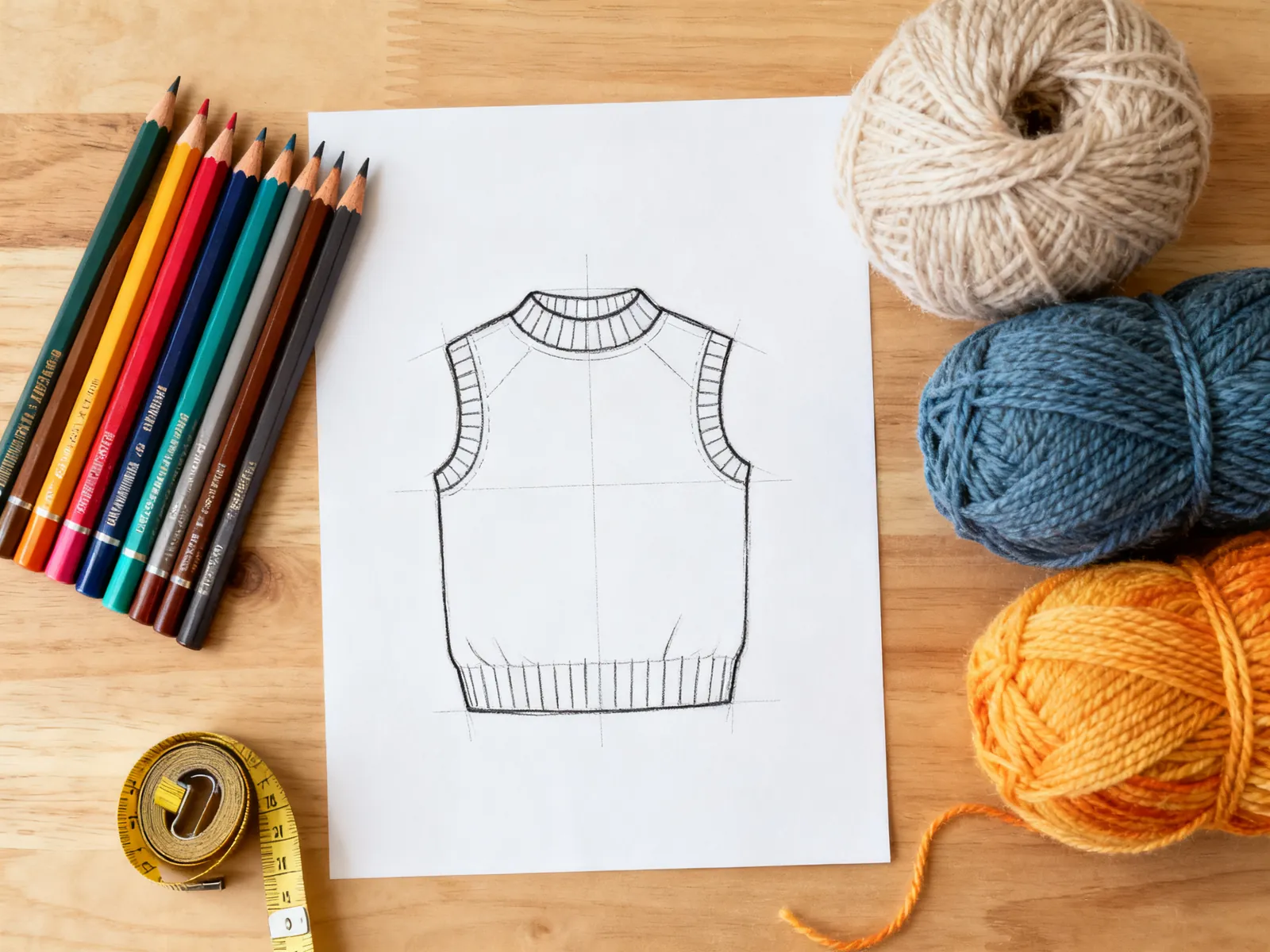 AI illustration
Write a one-page range brief. State the intended channel, climate or season, product forms, visual direction, target sizes, market, quantity range and target launch date. Separate “required” from “preferred.” Required items shape feasibility; preferred items can be discussed after the core product and fit are stable.
At Pawknit, custom styles start at 100 pcs per style and color, samples take 7–10 days and bulk production takes 25–35 days after sample approval; in-stock styles start at 2 pcs per style and 50 pcs per order. Confirm sample cost and price on quote. Build the launch budget from the scope you are actually buying, including packaging, QC, freight and photography.
Stock or Custom Products
Use In-Stock Wholesale when the business needs to test assortment and merchandising from ready-stock styles. The main work is selecting products, checking current availability, creating a sensible size mix and confirming quote conditions.
Use the private-label scope within Custom / OEM when the product direction is sufficiently established and the main work is brand application. Prepare vector artwork, label copy, hangtag information, barcode needs, packaging instructions and the target product reference. Do not assume every branding method is available for every base product.
Use Custom / OEM development when fit, construction, material, color system or product architecture must be created or materially adapted. This scope needs stronger inputs: measurements, tech drawings or references, intended ease, material direction, tolerances, sample-review criteria and change control.
If the first collection mixes the two modes, classify each item individually. One ready-stock test item should not force the whole range into In-Stock Wholesale, and one complex hero style should not turn simple brand application into full development.
What to Put in a Brief
Define the buyer and selling channel. A boutique, marketplace seller and distributor may need different size breadth, packaging data and replenishment logic. Record the target market because labeling, material and documentation questions depend on where the product will be sold.
 AI illustration
For the assortment, list product type, style reference, intended pet, season, color direction and the role of each item. Mark the core option, seasonal option and any experimental style. Keep style names and references stable so quotations and sample comments remain traceable.
For sizing, specify chest, neck and back measurement logic, intended ease and the target size run. Plan a fit review using representative animals or forms rather than relying only on breed or weight. Record who approves the fit and how revisions will be documented.
For branding, prepare the logo in usable formats, label wording, care information, hangtag copy, barcode requirements and packaging layout. Confirm who is responsible for legal labeling and market compliance. A supplier file or certificate must be checked for holder, date, product scope and relevance; a name alone is not enough.
For the RFQ, include quantity range, size mix, target date, destination, QC expectations and required files. Mark each open decision and who owns it.
Test a Small Range First
Translate the positioning into a short hypothesis: a defined buyer will choose a defined product group because it solves a specific merchandising or use problem. Then test whether the proposed styles, size coverage, product information and selling channel support that hypothesis. A brand aimed at independent boutiques may need strong assortment logic and reorder clarity; a marketplace offer may put more pressure on listing accuracy, packaging and size guidance. The product plan should follow the channel rather than imitate a competitor’s range.
Build a line architecture before collecting many references. Give each proposed item a role: core, seasonal, statement, entry or add-on. Record why the item belongs, which customer it serves and what would make it fail. This prevents the first collection from becoming a collection of unrelated visual preferences. It also helps a sourcing partner suggest alternatives without losing the commercial intent.
Create a reference ledger with a stable internal ID, product type, source image, required details, flexible details and open questions. Plan product photography as its own workstream: secure authorized media or photograph an owned sample. Product sourcing and marketing rights need separate approval.
Labels, Packaging and Stock
Decide who owns each approval. Product fit, artwork, care and content labels, packaging layout, color references and final presentation should have named decision owners. Unclear approval authority can delay a project even when the physical product is feasible. Keep comments in one controlled file or review log so the latest instruction is identifiable.
Map the customer-facing information you will need at launch: product name, material statement backed by the actual specification, measurement method, size guidance, care information, country or market labeling, product photography and a clear return or defect process. Do not write a material composition or compliance claim before the supporting product record is verified.
Prepare a simple risk register. Typical questions include whether the selected style remains available, whether the proposed size range covers the intended bodies, whether the brand application is legible, whether packaging supports the channel, and whether required documents cover the actual product. Assign a mitigation and decision date to each risk. “Ask later” is not a mitigation when the answer controls the product or selling window.
Check the Quote
A useful quote should make the product reference, quantity basis, size mix, customization, packaging, sampling, timing assumptions and shipping context visible. Compare quotes only after confirming that their scopes match. A lower line price may exclude an approval sample, packaging step, document request or logistics responsibility that another quote includes.
Before approving the next step, list what is confirmed, what is conditional and what still requires buyer input. Keep product changes separate from commercial negotiation. If the brief changes after a sample or quotation, request an updated scope rather than assuming the earlier terms still apply.
Finally, define a launch learning plan. Record which sizes, styles and channels will be reviewed, what customer questions will be captured, and how those findings will influence replenishment or the next development cycle. The first range should create evidence for the second, not merely produce inventory.
Related Pages
Use the sizing guide before fixing a size run. Compare In-Stock Wholesale and Custom / OEM if the mode is still unclear. Move to Custom / OEM for product development or its Private Label & Custom Branding section for brand application.
Before sending files, remove unnecessary personal data and make version names clear. Your inquiry should let the reviewer identify the product, intended path, key requirements and decisions that remain open.
Send Your Brief
Send the one-page range brief, references, size approach, quantity range, market, branding needs and target date through the contact form. Ask for the uncertainties to be listed in the quote rather than silently assumed. Commercial terms are confirmed on quote.
Before you print labels, check that your brand name is free to use. The USPTO trademark basics guide explains how US trademarks work.
Questions
How many styles should a first range have?
Start with a small range you can size and sell well. A few styles in a full size run usually teach you more than many styles in thin sizes.
Can I start with stock styles and add my label later?
Yes. In-stock orders start at 2 pcs per style and 50 pcs per order. Private label on an existing style starts at 100 pcs per style.
What does a custom first range need?
A brief with references, measurements, colors and quantities. Custom styles start at 100 pcs per style and color.
 AI illustration
Martin writes the Pawknit buyer guides. They cover ordering, sizing, materials and quality checks for dog sweaters.